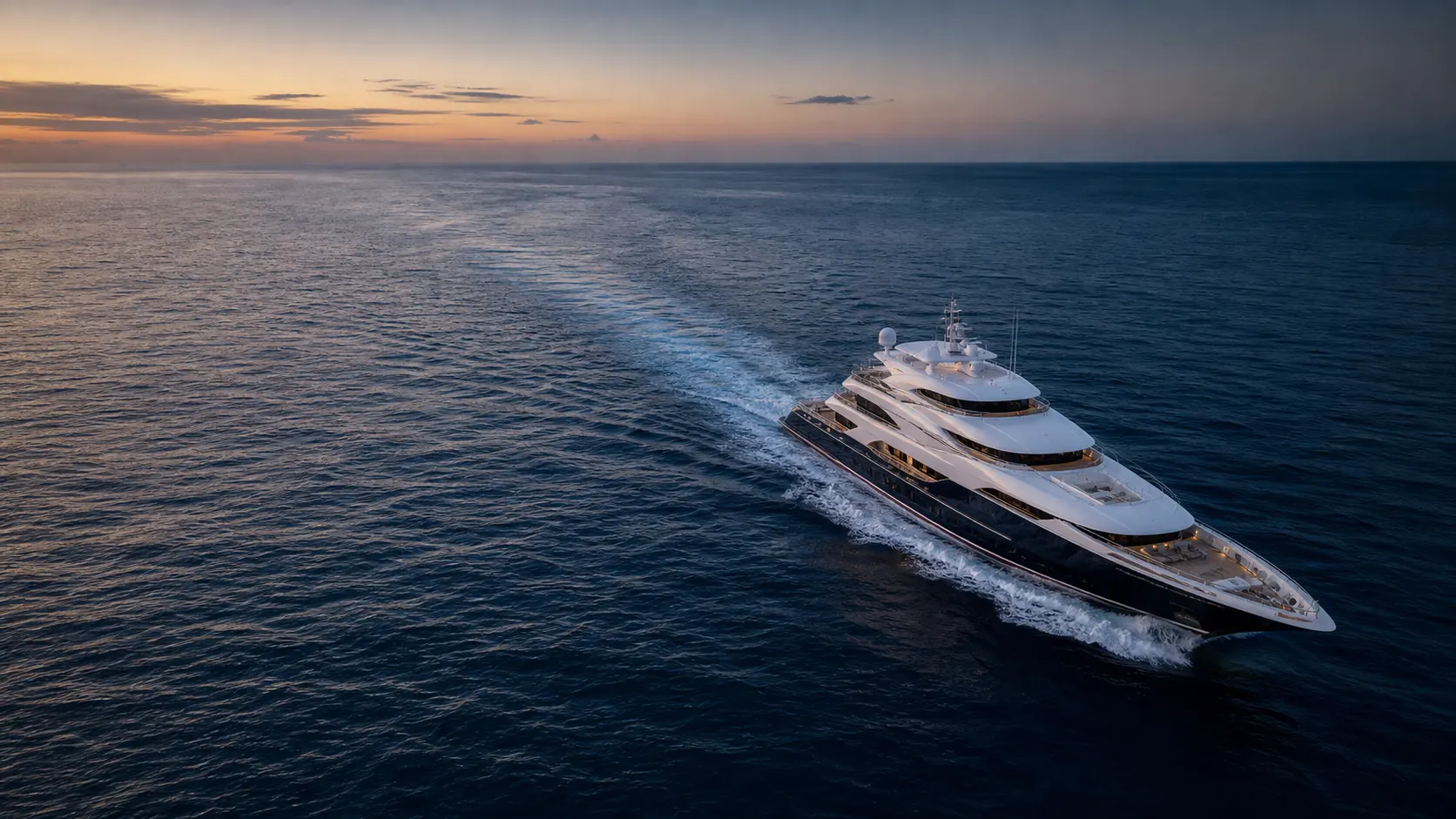
Shore Power Connection: Cutting Emissions in Marinas and Commercial Ports
Southern Ocean Marine
A vessel at berth still needs power — for lighting, HVAC, pumps, and hotel loads — and traditionally that means running an auxiliary generator around the clock while alongside. Shore power connection, often called cold ironing, replaces that with a direct electrical feed from the port or marina, letting the vessel shut its generators down completely while berthed.
How a shore power connection works
The concept is simple, the engineering is not. Marinas and commercial ports typically supply power at a different voltage and frequency than a vessel's onboard systems are designed for, so a shore connection needs frequency converters and voltage transformers, a shore power cabinet with the correct connector standard, and safety interlocks that prevent the shore supply and the vessel's own generator from being paralleled onto the switchboard without synchronization — a fault condition that can damage both systems. The generator can still run for cooldown after changeover; what the interlock blocks is closing both breakers onto the bus out of sync.
On the vessel side, this usually means a dedicated shore power inlet, a changeover switchboard, and — outside pure recreational marinas — a suitably rated cable management system for handling the connection safely in varying weather and tidal conditions.
Why regulation is pushing this now
- Port and at-berth emissions are increasingly regulated separately from at-sea emissions, particularly for SOx and NOx.
- The EU's FuelEU Maritime framework and expanding Emission Control Areas are increasing the compliance cost of running generators at berth.
- Coastal cities and marina operators are under local air-quality pressure that's independent of maritime regulation.
- Some ports are beginning to offer preferential berthing or reduced fees to vessels equipped for shore power.
What it takes to retrofit an existing vessel
Retrofitting shore power capability is primarily an electrical integration project: sizing the shore connection against the vessel's actual hotel load, selecting compatible connector and frequency-conversion equipment, and verifying the vessel's switchboard and protection systems can handle the changeover safely. Done properly, it also reduces engine hours on the generators, cutting maintenance intervals and extending service life — a real running-cost benefit on top of the emissions case.
Where this fits into a wider maintenance plan
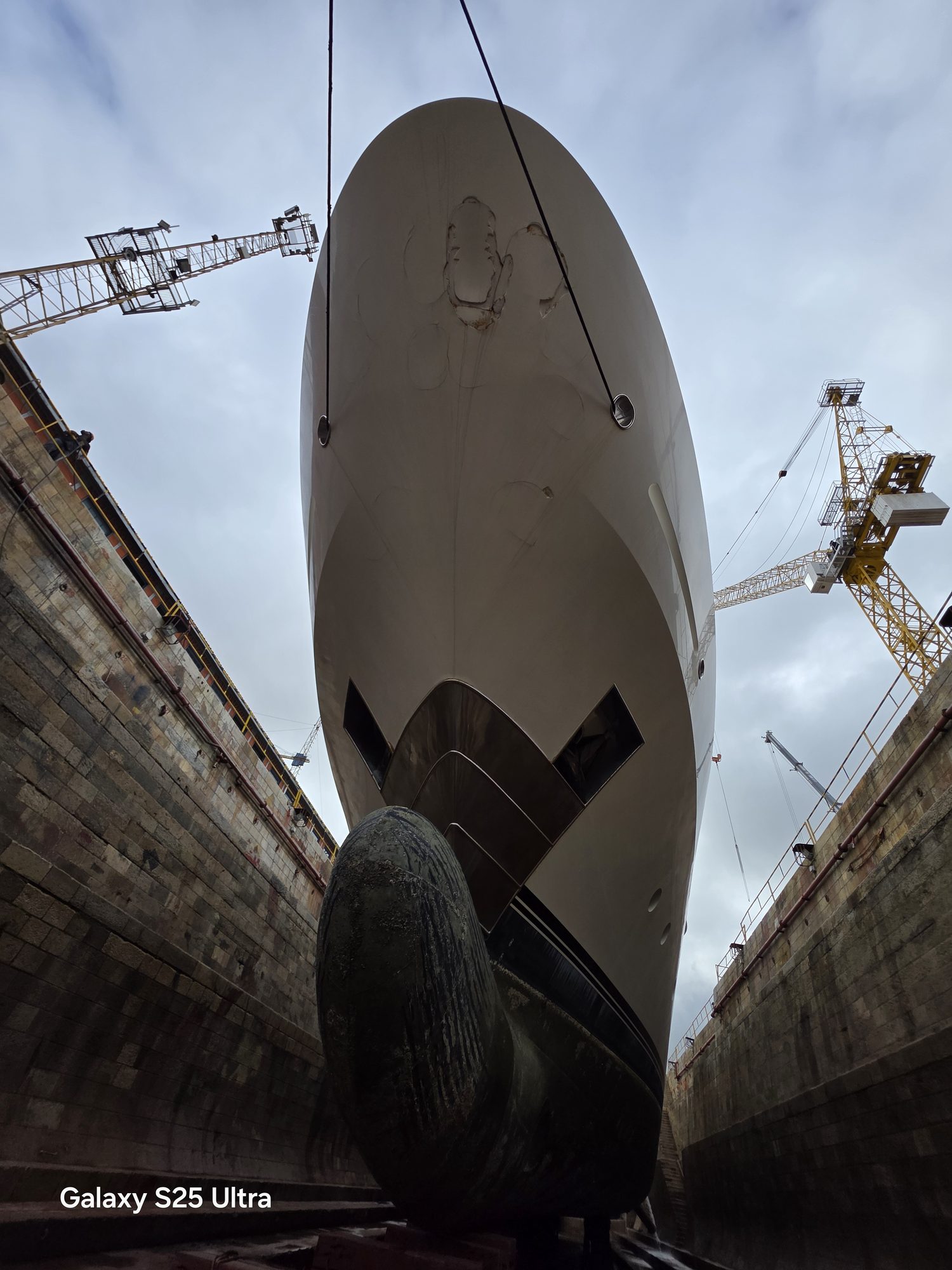
Shore power retrofits are usually specified and executed as part of a broader refit or yard period rather than as a standalone job, since they touch the electrical distribution system and need to be coordinated with the yard's own scope of work. Southern Ocean Marine handles this kind of scope definition and on-site supervision as part of our Refit Preparation & Shipyard Management service, making sure the electrical integration is specified correctly before the yard starts and verified before the vessel leaves.