Ship Classification Societies: Rules and Surveys
Southern Ocean Marine
No commercial vessel operates without one. A classification society is the independent technical body that sets the rules a ship must meet to be insured, flagged, and cleared through port inspections — and it stays involved for the vessel's entire working life, not just at the point of delivery.
What classification actually means
A classification society develops and maintains a set of technical rules covering hull structure, machinery, electrical systems, fire safety, and stability. When a vessel is built, or when an existing vessel is surveyed, the society checks it against those rules. If it passes, the vessel is assigned "class" — a certificate confirming that its structure and systems meet a recognised, independently verified standard.
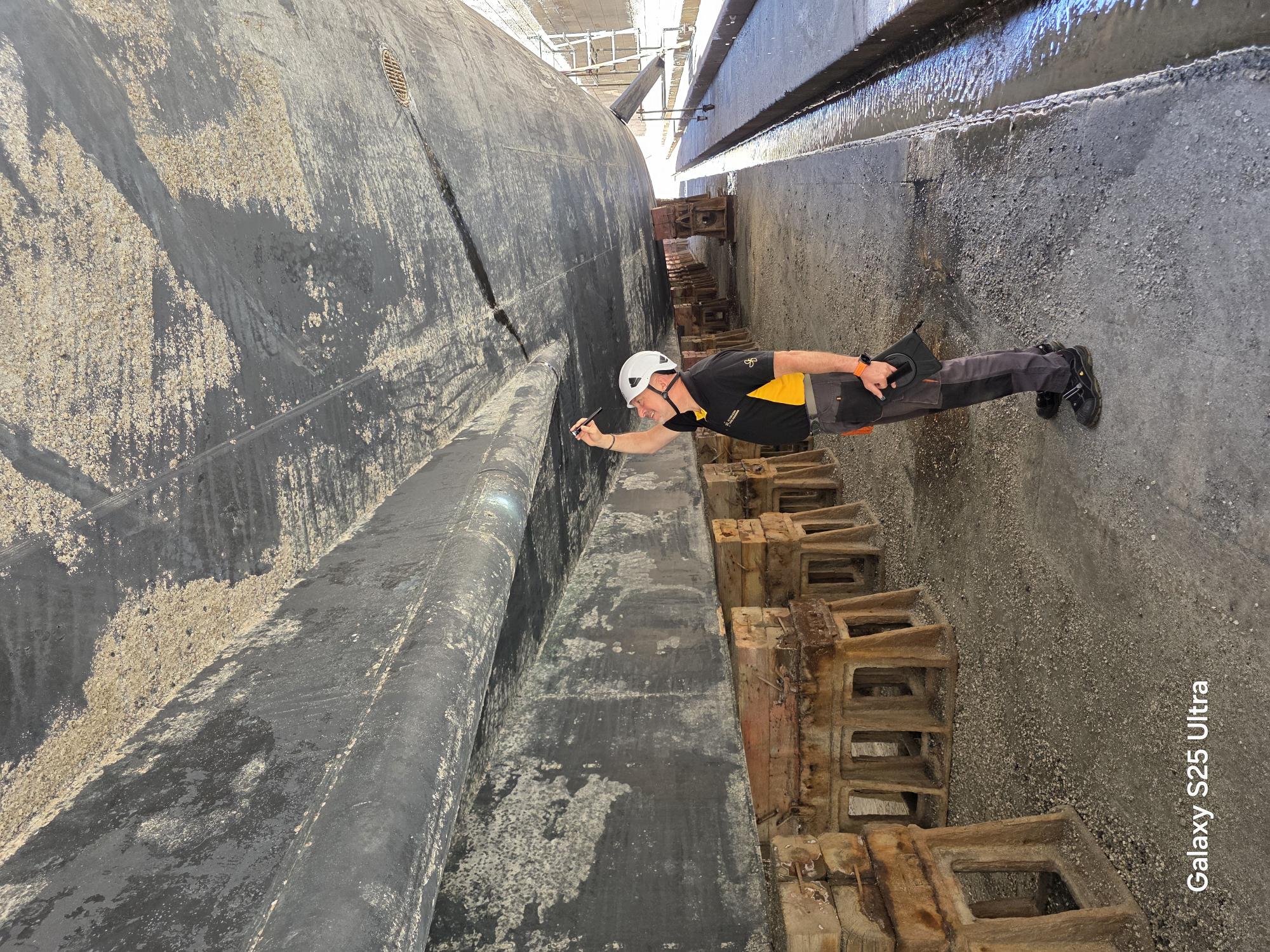
Class is not a one-time badge. It has to be maintained through a defined survey cycle: annual surveys, intermediate surveys, and a full class renewal survey roughly every five years — with the hull below the waterline dry-docked twice within that same five-year cycle, no more than 36 months apart. Miss a survey window or fail to close an outstanding condition of class, and the certificate can be suspended.
Why a vessel can't operate without it
- Hull and machinery insurers generally require valid class as a condition of cover.
- Port State Control inspectors check class status as a baseline indicator of a vessel's condition.
- Flag states frequently delegate the statutory certificates required under SOLAS and MARPOL to the classification society acting as a Recognised Organisation.
- Charterers and financiers use class status as a proxy for technical risk before committing to a contract or a loan.
In practice, losing class doesn't just mean paperwork trouble — it can mean a vessel is effectively unable to trade until the issue is resolved.
Classification society vs. flag state
The two roles are often confused. The flag state is the country whose flag the vessel flies and holds ultimate legal responsibility for its compliance with international conventions. The classification society is very often the body that actually carries out the statutory inspections on the flag state's behalf, under a formal delegation. The flag sets the legal authority; the classification society is usually the one doing the technical checking.
What this means for an owner
Even where classification isn't legally mandatory — many private yachts fall into this category — going classed voluntarily with a recognised society (Lloyd's Register, DNV, ABS, Bureau Veritas, RINA, and others) gives an owner an independent, third-party check on the vessel's real condition, and typically supports a stronger resale value and easier insurance and financing terms.
Southern Ocean Marine works alongside owners, captains, and shipyards throughout the classification process — from new-build survey coordination through to the periodic in-service inspections that keep a vessel's class current — as part of our condition surveys and due diligence work.